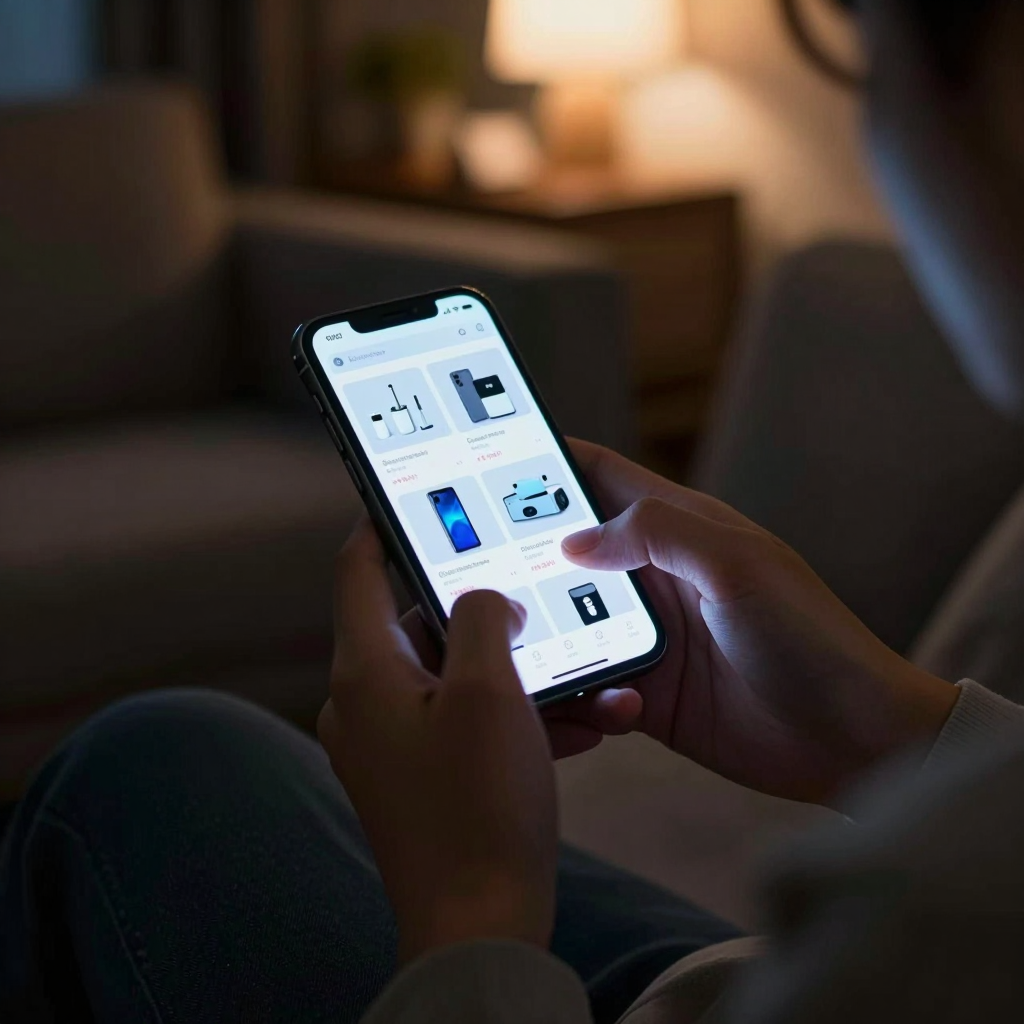
It usually does not start with a big purchase.
It starts with ten quiet minutes, a phone in your hand, and the feeling that nothing interesting is happening. You open Amazon, browse a store site, add a few things to your cart, and suddenly you are spending money on things you did not need an hour ago.
That is boredom spending.
It is not always dramatic, and that is what makes it expensive. A few small purchases made out of boredom can quietly turn into one of the most persistent leaks in a budget.
The good news is that boredom spending is usually less about money and more about routine. Once you can see the pattern, it becomes much easier to interrupt.
What boredom spending actually is
Boredom spending is not the same as buying something you genuinely want.
It usually happens when:
- you are under-stimulated
- you want something to do
- shopping feels easier than choosing another activity
- the purchase feels low-stakes in the moment
That is why it often shows up late at night, on slow weekends, during procrastination, or after a tiring day.
You are not always trying to buy an object. A lot of the time, you are trying to change the feeling of the moment.
Why it feels harmless
Boredom spending is easy to justify because the purchases often seem small:
- a few things in an online cart
- one delivery order
- one sale item
- one “treat” while running errands
The problem is not usually one purchase. It is repetition.
A small impulse repeated several times a week can quietly become a real budget problem by the end of the month.
What worked best in practice
The people who usually reduced boredom spending were not the ones with the most discipline.
They were the ones who:
- noticed their trigger times
- made shopping less convenient
- had a short list of replacement activities ready
- delayed purchases long enough for the urge to pass
The pattern got weaker once spending stopped being the easiest available activity.
Step 1: Identify your boredom spending times
Before trying to stop the behavior, notice when it happens.
For one week, keep a very simple note:
- time
- what you were doing
- what you opened or almost bought
- what you were feeling right before it happened
Common patterns:
- late-night scrolling
- weekend afternoons
- work procrastination
- after arguments or stressful days
- after long periods of doing nothing
The goal is not to judge yourself. It is to find the repeat moments.
Step 2: Make the spending path less automatic
A lot of boredom spending happens because shopping is too easy.
A few small barriers help:
- remove saved card information
- log out of shopping apps
- take shopping apps off your home screen
- unsubscribe from retail emails
- stop browsing stores “just to look” when you already know that usually turns into buying
These changes do not solve the habit by themselves, but they slow it down enough for better decisions to happen.
Step 3: Replace the habit instead of only resisting it
This is the most important step.
If boredom spending usually happens at 9:30 PM, you need something else ready for 9:30 PM. Not a vague goal like “do something productive.” A short list of actual options.
Good replacements are:
- easy to start
- free or very low-cost
- available without setup
- mildly engaging, not demanding
Examples:
- read 10 pages of a book
- take a short walk
- text or call someone
- do a puzzle
- sketch
- reorganize one drawer
- make tea and sit outside
- watch one saved video you actually meant to watch
- cook or prep something simple
- listen to music without multitasking
The goal is not to create a perfect self-improvement routine. It is to make spending no longer the default.
Step 4: Use a waiting rule
A waiting rule helps separate real purchases from mood-based ones.
A practical version:
- wait 24 hours for smaller nonessential purchases
- wait 48 hours for anything more expensive
If you still want it after the wait, then decide intentionally.
Most boredom purchases lose momentum once the moment passes.
Step 5: Build a short “boredom plan”
A plan works better than a general intention to “stop.”
Try something like this:
When I feel like scrolling stores
I will:
- close the app
- look at my backup activity list
- do one replacement activity for 10 minutes first
If I still want the item after that
I will:
- put it on a wish list instead of buying it
- come back in 24–48 hours
That is enough structure for most people.
A simple boredom spending replacement list
Here is a useful version to keep in your phone:
| Situation | Free replacement |
|---|---|
| Late-night scrolling | read, stretch, tea, one episode of something already available |
| Weekend boredom | walk, library visit, meal prep, puzzle, call someone |
| Work procrastination | 5-minute reset, water, short timer, one task before any browsing |
| Feeling restless at home | clean one area, music, journaling, short workout |
| Wanting a “treat” | make something at home, use what you already have, plan one intentional treat later |
A short list works better than trying to invent alternatives in the moment.
What did not work as well
A few approaches usually failed:
- telling yourself “just stop spending”
- trying to rely on guilt
- keeping shopping apps open “for browsing only” when browsing usually led to buying
- making replacement activities too ambitious
- trying to cut all fun spending instead of only boredom spending
The goal is not to remove enjoyment. It is to remove spending that does not actually improve your life.
How boredom spending connects to the rest of your budget
Boredom spending often overlaps with other patterns:
- takeout because the evening feels empty
- random store trips because there is nothing else planned
- impulse purchases when weekends feel unstructured
That is why this habit usually improves faster when the rest of life has a little more shape.
Helpful supporting routines include:
- a rough meal plan
- one or two no-spend evenings each week
- cheap hobbies
- a short weekend plan
- better visibility into current spending
If you need ideas for replacing low-value spending with low-cost activities, Free Date Nights and No-Spend Weekend Ideas and Cheap Hobbies That Cost Almost Nothing fit naturally with this.
When boredom spending is really avoidance
Sometimes boredom spending is not just boredom.
Sometimes it shows up when you are:
- avoiding work
- avoiding stress
- avoiding loneliness
- avoiding a decision you do not want to make
That matters because the fix may not be “find something fun.” It may be “name what I am avoiding.”
A useful question is: What was I supposed to be doing right before I started shopping?
That answer often explains more than the cart does.
FAQ
Is boredom spending the same as emotional spending?
They overlap, but they are not always the same. Boredom spending usually comes from under-stimulation or restlessness. Emotional spending is often tied more directly to stress, sadness, anger, or comfort-seeking.
Is it okay to buy things for fun?
Yes. The problem is not fun spending. The problem is spending that happens automatically and leaves you with regret afterward.
How do I know if this is a real problem for me?
If you regularly buy things you did not plan to buy, forget why you wanted them, or feel frustrated afterward, it is worth addressing.
What if shopping is one of my only outlets?
Then the goal is not to remove it instantly. The goal is to add two or three other outlets so shopping is no longer the only easy option.
Related Reading
Conclusion
Stopping boredom spending usually has less to do with self-control and more to do with interruption.
Once you know when it happens, make shopping a little harder, make alternatives easier, and give the urge time to pass. That is usually enough to weaken the pattern.
You do not need to become perfect. You just need to stop letting boredom make spending decisions for you.