A while ago, I started asking myself a very simple question before buying ordinary things:
If I stop buying this, will I actually miss it in a month?
A surprising number of the answers were no.
Some of these purchases felt normal at the time. They were just part of shopping, part of routines, part of what I always grabbed without thinking. But once I stopped buying them, I realized a lot of them were habits more than needs.
This is not a “stop spending money on everything” list. It is a list of things I cut that did not lower my quality of life in any meaningful way.
What changed the most
The biggest shift was not the money by itself.
It was realizing that a lot of spending had almost nothing to do with value. I was paying for convenience, branding, packaging, or habit — not something I would genuinely miss.
That made it easier to cut things without feeling deprived.
1. Premium paper towels
I stopped buying the expensive version and switched to basic store-brand paper towels.
What happened:
- cleanup still worked
- I adjusted almost immediately
- I stopped paying extra for branding
I still use paper towels. I just do not care enough about them to pay for the premium version.
2. Single-serve coffee pods
This was one of the easier cuts than I expected.
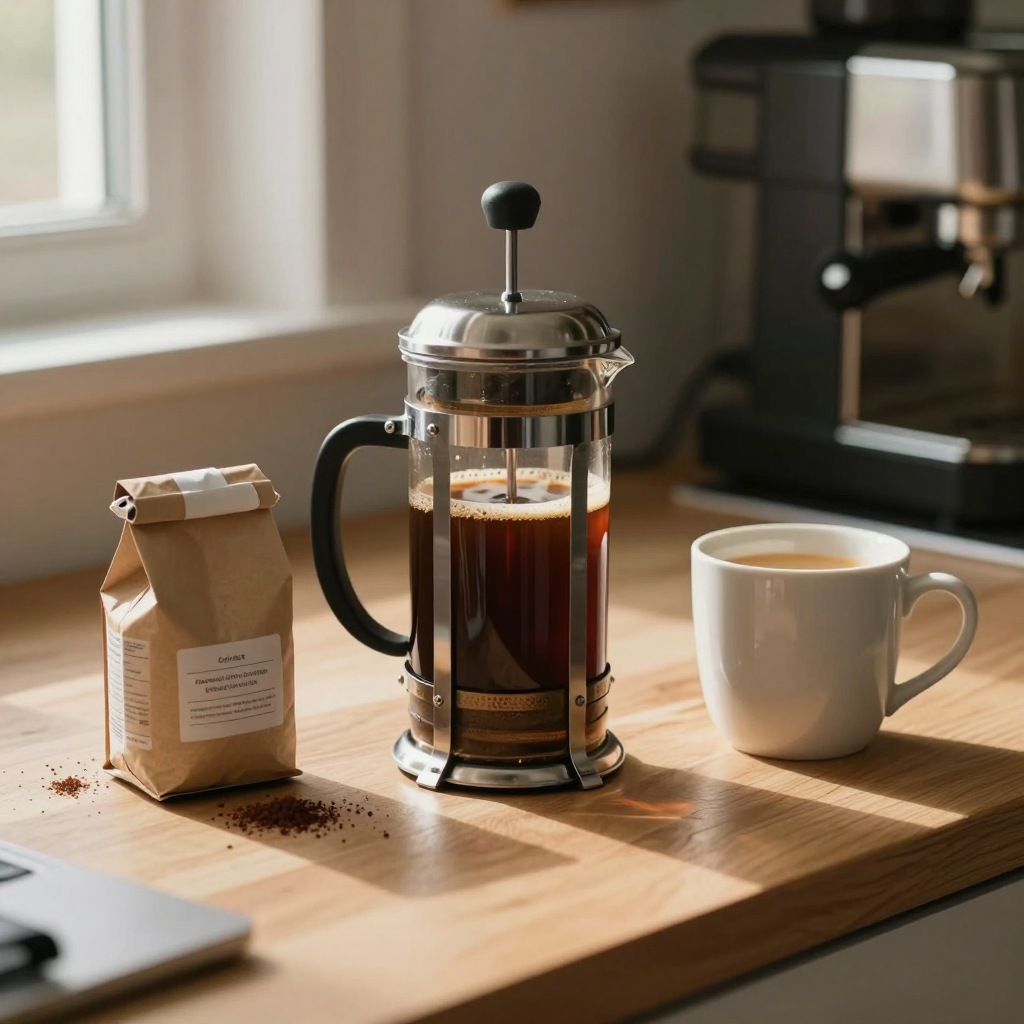
A basic French press, drip coffee maker, or pour-over setup usually costs less over time and produces better coffee than pods. The main thing I was paying for was convenience and packaging.
What changed:
- coffee got cheaper
- waste went down
- the routine felt less rushed
If pods genuinely make your mornings workable, keep them. But for me, this was an easy habit to drop.
3. Bottled salad dressings
I stopped buying bottled dressings for everyday use.
Most of the time, a very simple homemade version works:
- oil
- vinegar or lemon
- mustard
- salt
- pepper
That is enough for most salads.
What surprised me most was how quickly this became automatic. Once it stopped feeling like “making dressing” and started feeling like “finishing the salad,” I did not miss bottled versions much.
4. Air fresheners
I stopped buying plug-ins, sprays, and scented products for the sake of making the house smell “clean.”
What worked better:
- opening windows
- removing the actual source of smells
- using baking soda where needed
- simmering something simple on the stove once in a while
This was one of those categories where I realized I was buying the same result over and over without fixing the cause.
5. Expensive body products
I cut back hard on premium body washes, lotions, and personal care products that were mostly fragrance and marketing.
I did not stop buying all personal care. I just simplified.
That usually meant:
- one basic soap
- one lotion or oil that actually worked
- fewer products overall
The biggest benefit here was not only spending less. It was having fewer things to keep buying and fewer half-used bottles sitting around.
6. Fabric softener and dryer sheets
This was another easy cut.
Once I stopped using them, I realized I had mostly been buying scent and habit. Clothes still got clean. Laundry still functioned normally.
For some households, this may be worth keeping. But for me, it was one of the clearest examples of a purchase that had become automatic without being necessary.
7. Convenience snack packs
I stopped buying individually packed versions of foods I could portion myself.
This included things like:
- snack packs
- individually wrapped bars
- pre-portioned cheese and crackers
- small “grab-and-go” packaged snacks
Buying the larger version and portioning it at home was cheaper and usually reduced mindless snacking too.
8. Specialty cleaning products
I cut back to a much smaller set of cleaning basics.
Instead of a different product for every surface, I used a simpler group of items that covered most of the house.
That reduced:
- spending
- clutter under the sink
- duplicate products I forgot I already owned
If you want more on that approach, DIY Cleaning Products With Baking Soda fits well with this.
9. Magazine subscriptions and similar “aspirational” subscriptions
This category was less about the product and more about the identity attached to it.
I realized I was sometimes subscribing to things because they matched the person I wanted to be, not the person I actually was on a normal week.
That included:
- magazines I rarely finished
- content subscriptions I barely used
- small recurring charges that felt harmless
Once I canceled them, I did not miss them nearly as much as I expected.
10. Paid workout classes I was not using enough
This one was not about exercise being a waste of money.
It was about paying for a version of exercise that did not fit my real routine.
When I switched to cheaper or free options, I actually became more consistent because I removed the guilt of “I should be using this more.”
That made this less of a budget cut and more of a lifestyle correction.
11. Name-brand grocery items I bought automatically
This was one of the highest-impact changes.
For a lot of staples, I stopped buying the brand I recognized and started trying the store brand first.
That worked especially well for:
- pasta
- rice
- canned goods
- oats
- dairy basics
- pantry staples
Not every generic version is identical, but many are close enough that I stopped caring about the difference.
What worked best in practice
The easiest cuts were not the most dramatic ones.
They were the purchases that:
- happened automatically
- did not create a real difference in daily life
- were driven more by habit than preference
- had a simple replacement already available
That is why this kind of experiment is useful. It separates real preferences from expensive routines.
What did not work as well
Not every cut is a good one.
A few rules helped:
- if I consistently missed it, it was probably worth keeping
- if replacing it created stress, the savings were not always worth it
- if the cheaper version made daily life noticeably worse, I stopped pretending it was a good swap
This works best when you are honest.
The goal is not to cut everything. It is to stop paying for things that do not matter to you.
How to figure out your own version
A simple test:
- Look at purchases you make repeatedly
- Ask whether you would really miss them
- Cut one for 30 days
- Notice what actually changes
Some cuts will stick immediately. Others will not.
That is useful information either way.
FAQ
How do I know what to stop buying first?
Start with purchases that feel automatic rather than intentional. Repeating small buys are often the easiest to test.
What if I cut something and regret it?
Then bring it back. The point is not to prove a point. It is to learn what matters and what does not.
Is this about deprivation?
No. It is about removing low-value spending, not meaningful spending.
What categories are easiest to cut?
For many people: convenience items, subscription-style purchases, branded basics, and products bought mostly out of habit.
Conclusion
The most useful cuts were not the ones that looked extreme.
They were the quiet ones — the things I bought without thinking, paid for repeatedly, and barely noticed once they were gone.
That is usually where the easiest savings live.
If you want to keep going with this kind of low-friction money saving, Frugal Routines to Lower Household Waste and the cheap lifestyle category connect naturally with this approach.