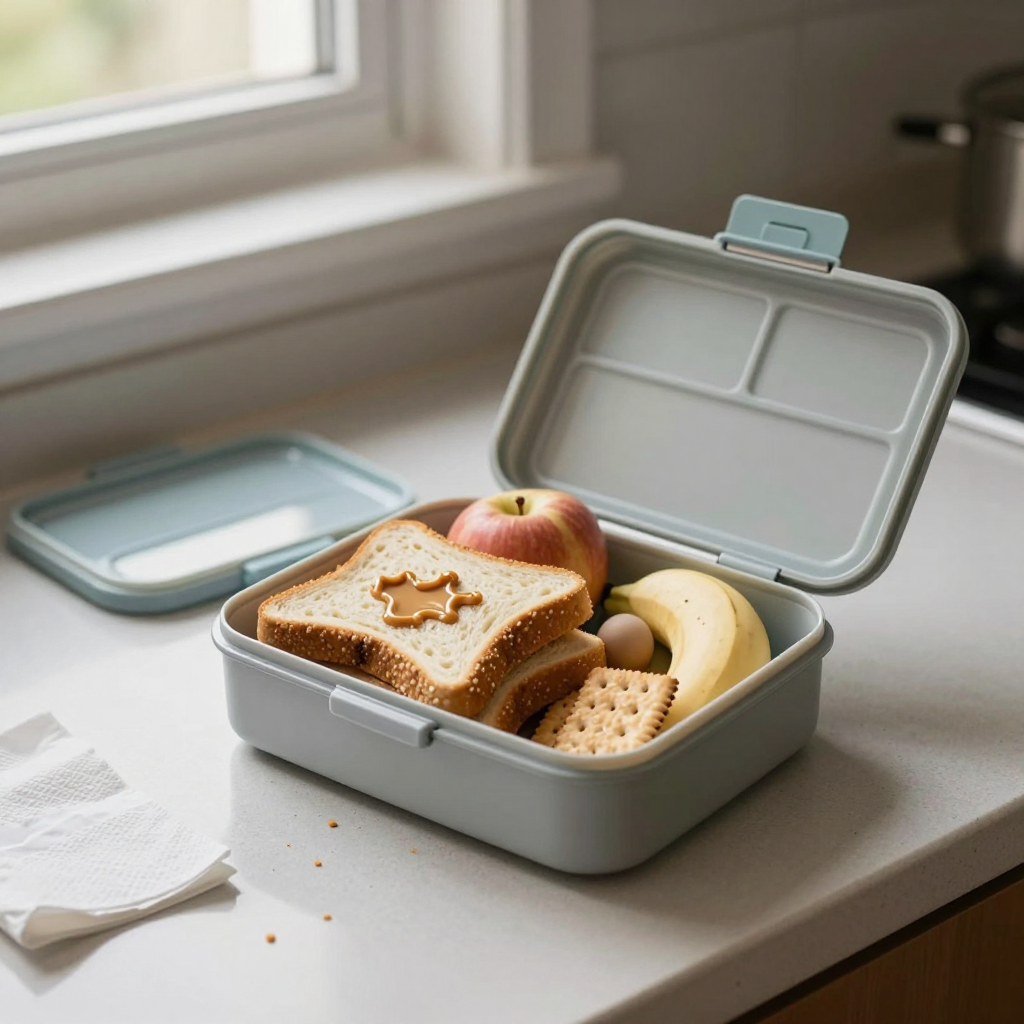
School lunches can quietly become one of those weekly costs that feels small day to day but adds real pressure to the grocery budget over time.
What makes them tricky is that cost is only part of the problem. Parents also need lunches that are easy to pack, familiar enough that kids will actually eat them, and simple enough to handle on a real school morning.
When we looked at what kept school lunches affordable in practice, the biggest difference usually came from repeating a small group of ingredients instead of buying a different “lunch solution” every week.
That is what this article is built around: simple lunches using low-cost staples, a few repeatable combinations, and routines that hold up on busy mornings.
⚠️ Costs and exact lunch ideas vary by region, school rules, and your child’s preferences. The best budget lunch is the one that is low-cost and actually gets eaten.
What Makes a School Lunch Budget-Friendly
A cheap lunch is not just one with a low price on paper.
A budget-friendly school lunch usually does four things well:
- uses ingredients already bought for breakfast, dinner, or snacks
- avoids waste and uneaten food
- packs quickly on weekday mornings
- relies on ingredients that store well for several days
That last point matters more than it seems. A low-cost lunch that comes home untouched is not really saving money.
Staples That Work Well for Cheap School Lunches
You do not need a pantry full of lunchbox products. Most families can cover a week of lunches with a short list of basics:
- bread or tortillas
- peanut butter or another spread
- eggs
- yogurt
- bananas or apples
- pasta
- rice
- cheese
- crackers
- leftover chicken, beans, or vegetables
These ingredients work well because they overlap with other meals and give you a built-in backup when mornings get rushed.
Lunch Ideas That Work on a Budget
Peanut Butter Sandwiches with Fruit
One of the most dependable low-cost lunches because the ingredients last well and need almost no prep.
Estimated cost: about $1–1.75 per lunch, depending on fruit and bread
Egg Salad Wraps
Eggs are often one of the best-value lunch proteins. Wrapped in a tortilla, they are easy to portion and easy to pack.
Estimated cost: about $1.25–2 per lunch
Pasta Salad with Simple Add-Ins
Cook a batch of pasta and mix it with peas, shredded cheese, or chopped vegetables. Good for making 2–3 lunches at once.
Estimated cost: about $1.50–2.25 per lunch
Snack Box Lunches
Crackers, cheese, fruit, and a hard-boiled egg often work better than a full sandwich for some kids.
Estimated cost: about $1.75–2.50 per lunch
Rice and Bean Lunch Bowls
If your child will eat food warm or at room temperature, rice and beans are one of the cheapest filling options.
Estimated cost: about $1.25–2 per lunch
Leftover Dinner Portions
Using a smaller portion of last night’s dinner is often cheaper and easier than making a separate lunch.
Estimated cost: varies, but often lower than building a separate lunch from scratch
What Worked Best in Practice
The lunches that tended to work best had a few things in common:
- they used ingredients already in the house
- they repeated familiar combinations
- they did not rely on individually packed snacks
- they were fast enough to assemble without stress
In practice, the biggest savings usually came from reducing “extras” rather than trying to make the main lunch cheaper.
That meant cutting back on:
- single-serve snack packs
- pre-packed lunch kits
- bottled drinks
- packaged desserts added automatically
Those items can add several dollars to a lunch without making it much more filling.
Example: One Week of Simple Lunches
Here is one realistic school-week lunch pattern:
| Day | Lunch | Estimated cost |
|---|---|---|
| Monday | Peanut butter sandwich, banana, crackers | $1.50–2 |
| Tuesday | Egg wrap, apple, yogurt | $1.75–2.50 |
| Wednesday | Pasta salad, fruit, cheese | $1.75–2.50 |
| Thursday | Snack box with egg, crackers, fruit | $1.50–2.25 |
| Friday | Leftovers + simple fruit side | $1.50–3 |
This works well because ingredients repeat across the week without making every lunch identical.
A Realistic Sunday Prep Routine
Most parents do not need full lunch meal prep. They usually just need partial prep.
A manageable version might look like this:
- boil 6–8 eggs
- wash fruit
- cook one pasta or rice base
- portion crackers or dry snacks into containers
- prep one sandwich filling or wrap filling
That kind of prep usually saves enough weekday stress to keep lunches from turning into expensive last-minute decisions.
Lunchbox Mistakes That Waste Money
Packing Too Much Novelty
Variety can be nice, but too many specialty items often raise cost and increase waste.
Ignoring What Comes Home
If the same item keeps coming back untouched, it is not a “healthy aspiration.” It is a bad buy for your household.
Buying Separate “Lunch Foods”
Lunch gets cheaper when it overlaps with breakfast and dinner ingredients.
Waiting Until the Morning to Decide
This is when convenience purchases start looking tempting.
How to Keep School Lunches From Getting More Expensive Than Expected
A few habits usually help the most:
- keep one automatic backup lunch available
- separate everyday lunch items from occasional treats
- use leftovers on purpose
- avoid adding multiple packaged extras to every lunch
- shop with a short lunch plan in mind instead of guessing
That backup lunch matters more than people think. A sandwich, egg wrap, or pasta portion may not feel exciting, but it protects the budget on mornings when everything else falls apart.
What Did Not Work as Well
Some “budget lunch” ideas sound good but often fail in real life:
- buying lots of novelty snack items because they were on sale
- packing aspirational healthy lunches that do not get eaten
- trying to make every day completely different
- relying on complicated prep that is hard to repeat
The lower-cost system is usually the simpler one.
Keep Going
If you want the wider recipe cluster first, the Recipes category archive is a good starting point. This topic also connects naturally to Cheap Breakfast Ideas for Busy Mornings, because school-morning food routines usually succeed or fail together.
And if grocery planning is the bigger pressure point, Budget Grocery List for a Tight Week supports the same goal from the shopping side.
FAQ
What is the cheapest school lunch to pack?
Simple sandwiches, egg wraps, pasta salad, and lunchboxes built from ordinary groceries are usually among the cheapest dependable options.
How do I make lunches cheaper without adding more work?
Use overlap. Buy ingredients that can also work for breakfast, dinner, or snacks, and do a small amount of prep before the week starts.
What if my child is picky?
Start with a small rotation of foods they already accept. Budget lunches work best when they are actually eaten.
Are pre-packed lunch items worth it?
Sometimes for convenience, but they are usually more expensive than packing similar foods from basic groceries.
Conclusion
Budget-friendly kids lunches work best when they are simple, familiar, and easy to repeat.
You do not need a new lunch idea every day. You need a small set of lunch patterns that fit your mornings, use ingredients you already buy, and come home eaten instead of wasted.
That is usually what saves money in the long run: not creativity, but consistency.