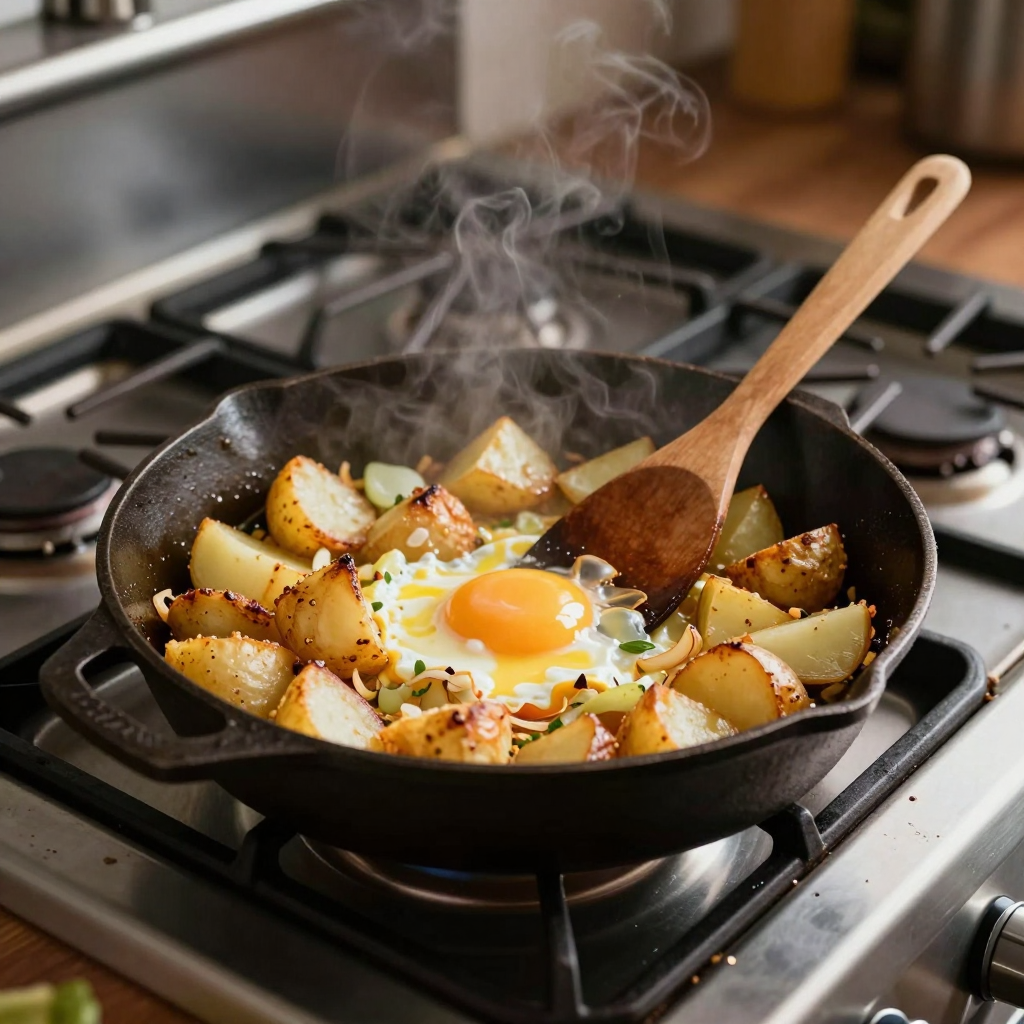
Cheap dinners are much easier to repeat when they only need one pot, one skillet, or one pan.
That matters more than people think. A meal can be inexpensive on paper, but if it creates a sink full of dishes and takes too much effort after a long day, it usually does not stay in rotation for long. One-pot dinners solve part of that problem by lowering both the grocery cost and the cleanup cost at the same time.
In practice, the best low-cost one-pot meals are built around the same dependable ingredients: rice, lentils, pasta, beans, potatoes, canned tomatoes, eggs, and frozen vegetables. They are not fancy, but they are reliable, filling, and flexible enough to survive a normal week.
⚠️ Cost estimates below are based on common U.S. store-brand prices and assume you already have a few basics like salt, oil, and simple seasonings. Actual totals vary by region and store.
Why One-Pot Dinners Work So Well on a Budget
A good one-pot meal usually does three things at once:
- keeps ingredients simple
- reduces cleanup
- makes it easier to cook at home again tomorrow
That last point matters. A cheap dinner is only useful if it is realistic enough to repeat.
The meals that tend to work best are not necessarily the ones with the absolute lowest ingredient cost. They are the ones that feel substantial, scale easily, and still taste good enough to prevent snack spending or takeout later.
What “Under $5” Really Means
For most households, “under $5” works best as a meal total target for very simple dinners or a very low per-person target when feeding more people.
That is why the meals below focus on staples that stretch well and overlap with other parts of the week. The goal is not perfect penny-by-penny precision. The goal is building meals that stay in a genuinely low-cost range and are still worth making.
Quick Cost Comparison
| Meal | Estimated total cost | Typical servings |
|---|---|---|
| Lentil tomato pasta | $4–5 | 4 |
| Rice and bean skillet | $3.50–5 | 4 |
| Potato egg skillet | $3–5 | 3–4 |
| Chili-style beans and rice | $4–5 | 4 |
| Pasta with peas and garlic oil | $4–5 | 4 |
These numbers vary, but this is the general range where one-pot pantry meals tend to land.
Frugal One-Pot Dinners to Rotate
Lentil Tomato Pasta
Lentils, pasta, canned tomatoes, onion, and water or broth cooked together in one pot.
Estimated cost: about $4–5 total
Why it works: lentils add protein and body without much cost
Best tip: keep the seasoning simple so it still feels like a familiar pasta dinner
Rice and Bean Skillet
Rice, canned beans, tomatoes, onion, and seasoning in one pan.
Estimated cost: about $3.50–5 total
Why it works: one of the cheapest filling meals you can make
Optional add-in: frozen vegetables or a little cheese if available
Potato Egg Skillet
Potatoes, onions, eggs, and a little seasoning cooked together in one skillet.
Estimated cost: about $3–5 total
Why it works: cheap, filling, and especially good for low-pantry weeks
Best tip: cook the potatoes long enough to get some crisp edges
Chili-Style Beans and Rice
Beans, rice, canned tomatoes, onion, and chili-style seasoning simmered together.
Estimated cost: about $4–5 total
Why it works: leftovers hold up well and the starch absorbs flavor
Good for: stretching dinner into lunch the next day
Savory Oats with Eggs
Oats cooked thick with salt and simple seasoning, topped with eggs and whatever vegetables you have.
Estimated cost: about $2.50–4 total
Why it works: very inexpensive and surprisingly filling
Reality check: less common, but useful when the pantry is running low
Pasta with Peas and Garlic Oil
Pasta, frozen peas, oil or butter, garlic, black pepper, and a little cheese if you have it.
Estimated cost: about $4–5 total
Why it works: minimal ingredients, fast cooking, very low cleanup
Best tip: reserve a little pasta water to help everything come together
Ingredients That Make These Meals Easier
Most of the value comes from keeping a short list of staples around:
- rice
- lentils
- pasta
- potatoes
- canned beans
- eggs
- canned tomatoes
- frozen vegetables
- onion
- basic seasonings
That is one reason one-pot cooking connects so well with Pantry Meals When You’re Broke. The same ingredients keep showing up in multiple meals, which lowers waste and simplifies shopping.
What Worked Best in Practice
The one-pot dinners that held up best usually had a few things in common:
- a starch and a protein together
- enough seasoning to keep the meal from feeling flat
- a format that could be repeated without much thinking
- leftovers that still made sense the next day
The biggest advantage was not just ingredient cost. It was the fact that these meals stayed easy enough to use on real weeknights.
What Didn’t Work as Well
A few things usually made cheap one-pot meals less satisfying:
- adding too many small “extra” ingredients
- making the meal too light to feel like dinner
- treating novelty as more important than repeatability
- forgetting that texture matters
Sometimes a meal needed only one small boost, like toast on the side, a spoonful of salsa, or a little cheese, rather than a whole extra shopping list.
A Realistic One-Week Lineup
Here is one simple way to use these meals across a week:
| Day | Dinner |
|---|---|
| Monday | Lentil tomato pasta |
| Tuesday | Rice and bean skillet |
| Wednesday | Potato egg skillet |
| Thursday | Chili-style beans and rice |
| Friday | Pasta with peas and garlic oil |
This kind of lineup keeps the grocery list compact while changing the format enough that dinner does not feel identical every night.
How One-Pot Dinners Save More Than Ingredient Cost
The savings are not only about food prices.
They also reduce:
- cleanup time
- decision fatigue
- the temptation to order food because the kitchen already feels like too much work
That combination is a big reason these meals work especially well for busy households.
Making One-Pot Dinners Work for Families
For families, it often helps to keep the base meal simple and let small extras personalize it. A little cheese, hot sauce, yogurt, toast, or salsa can make the same dinner work for different preferences without cooking separate meals.
It also helps when the plan is visible before the evening gets rushed. Cheap dinners are much easier to follow through on when they are chosen ahead of time.
Keep Going
If you want to build a grocery list around meals like these, Budget Grocery List for a Tight Week pairs naturally with this topic.
And if your pantry is the real starting point, Pantry Meals When You’re Broke uses many of the same ingredients in slightly different formats.
FAQ
Can you really make dinner for under $5?
Often yes, especially when the meal is built around rice, beans, lentils, eggs, pasta, or potatoes and avoids convenience foods.
What is the cheapest one-pot dinner?
Rice and beans, lentil-based dishes, and potato-and-egg skillets are usually among the lowest-cost dependable options.
Do one-pot dinners work for larger households?
Yes, especially when the meal scales with rice, lentils, pasta, potatoes, or beans rather than expensive proteins.
How do I keep them from getting boring?
Change the format and the seasoning. The same staples can feel different in pasta, skillet, soup, or rice-pot form.
Related Reading
Conclusion
Frugal one-pot dinners work because they lower both cost and friction.
They keep ingredients simple, cleanup manageable, and dinner realistic enough to repeat on an ordinary weekday. That is usually where the real savings come from — not just from paying less for food, but from making home cooking easier to keep doing.