A lot of self-care advice quietly assumes you should be spending money.
Expensive skincare, boutique coffee, wellness subscriptions, spa products, gym classes. But most of the routines that actually help people feel calmer or more regulated are much simpler than that.
Low-cost self care works best when it is:
- easy to repeat
- low-pressure
- genuinely calming
- realistic on an ordinary day
That is the real difference between something that looks nice and something that actually helps.
⚠️ Costs below are approximate and assume common U.S. grocery or household prices. Many of these ideas are free if you already have the basics at home.
What Makes Self Care Feel Worth Doing
The most useful low-cost self-care habits usually do one of three things:
- slow you down
- reduce mental noise
- make your body feel better
That is often enough.
It does not need to look impressive to work.
Quick Comparison
| Self-care idea | Estimated cost | Time needed |
|---|---|---|
| Tea or coffee without distractions | $0–0.50 | 5–10 min |
| Long shower with simple add-ons | $0–1 | 10–20 min |
| Stretching before bed | $0 | 10 min |
| Writing down 3 good things | $0–1 | 5 min |
| Going outside for a short walk | $0 | 10–20 min |
| DIY face mask from basic ingredients | $0.15–0.50 | 10–15 min |
| Phone-free hour | $0 | 1 hour |
| Library book or audiobook | $0 | Flexible |
| Personal playlist reset | $0 | 10 min setup |
Low-Cost Self Care Ideas That Actually Help
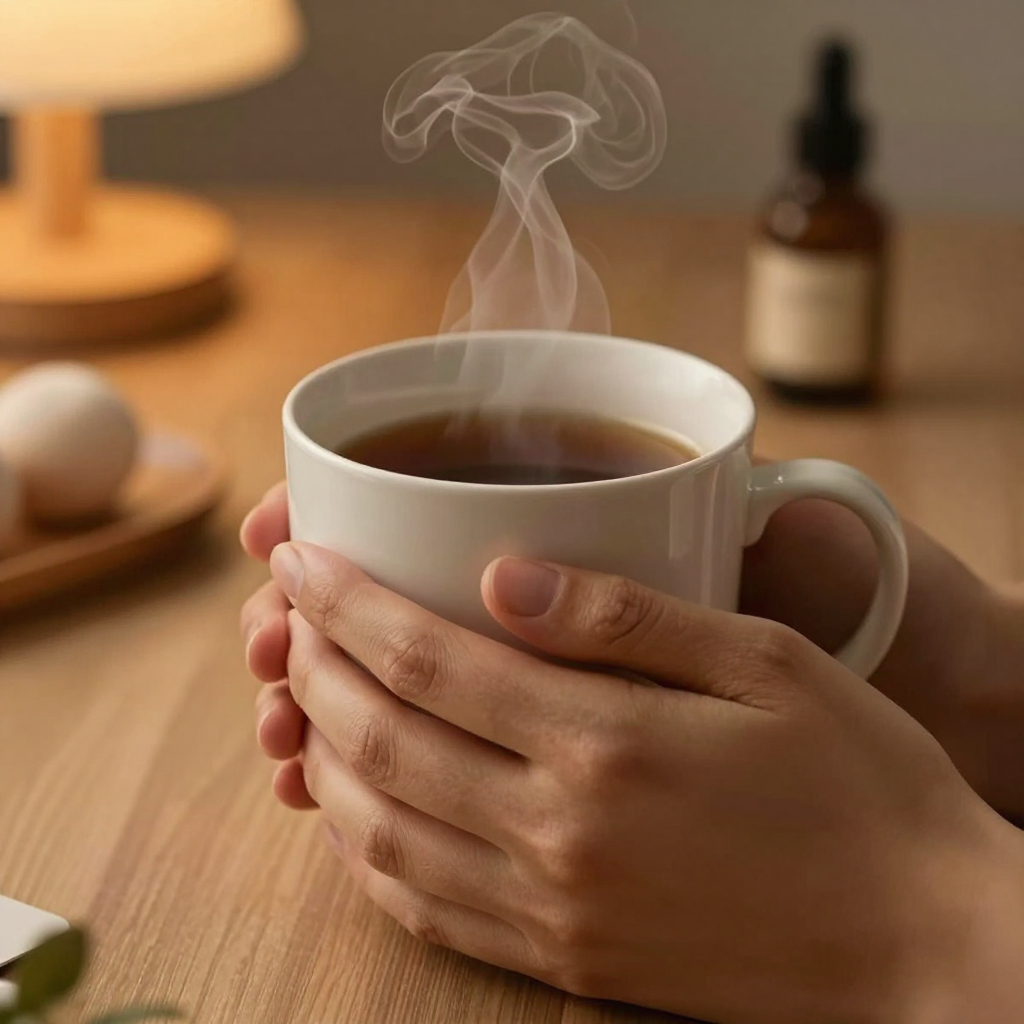
Sit down with one hot drink
Tea, coffee, or even hot water with lemon works.
The point is not the drink. It is taking 5–10 minutes to enjoy something without multitasking.
Estimated cost: often under $0.10–0.50
Take a longer shower with the lights lower
A shower can feel very different when it is not rushed.
A simple homemade scrub using sugar and oil can make it feel more intentional without buying anything special.
Estimated cost: about $0–0.25 if using what you already have
Stretch for 10 minutes before bed
A short stretch routine is one of the simplest low-cost ways to help your body feel less tense.
This is especially useful if stress shows up physically as tight shoulders, back pain, or restlessness at night.
Estimated cost: free
Write down three good things
This can be in a notebook, your phone, or on scrap paper.
The value is not in making life look positive. It is in training attention toward things that felt okay, useful, or grounding.
Estimated cost: free to about $1 if using a cheap notebook
Go outside for 20 minutes with no real agenda
Not exercise. Not errands. Just outside.
Walking slowly, sitting on a bench, standing on the porch, or wandering around the block can do a lot more for your stress level than people expect.
Estimated cost: free
Make a simple face mask from what you already have
If your skin tolerates it, very basic ingredients can work fine.
Examples:
- plain oatmeal + water
- honey + oatmeal
- mashed banana
⚠️ Always patch test first and avoid ingredients that irritate your skin.
Estimated cost: roughly $0.15–0.50
Turn off your phone for one hour
This is one of the cheapest and most effective options because it removes stimulation instead of adding more.
The first few times can feel uncomfortable. That is usually a sign it is doing something useful.
Estimated cost: free
Rearrange one small corner of your home
A nightstand, a reading corner, a shelf, or the space beside your bed.
This works because environment affects mood more than people realize, and changing one small area is often enough to shift how the room feels.
Estimated cost: free
Borrow a book or audiobook from the library
This is one of the best free self-care tools available.
Libraries usually give you access to:
- books
- ebooks
- audiobooks
- magazines
Estimated cost: free
Make one playlist that is only for you
A playlist tied to calm, comfort, nostalgia, or reset can work like a cue for a different mental state.
This is especially useful when you need a low-effort ritual.
Estimated cost: free
What Worked Best in Practice
The self-care habits that tended to stick were usually:
- small enough to do without planning
- not tied to buying products
- easy to repeat daily or weekly
- calming without becoming another task
That is why things like tea, stretching, a short walk, library books, and a phone-free hour often work better than more elaborate routines.
What Didn’t Work as Well
A few patterns made “self care” less useful:
- buying products instead of building a habit
- trying to do too many things at once
- choosing routines that required too much setup
- making self care feel like another performance goal
The best low-cost routines usually feel almost boring from the outside. That is part of why they work.
A Simple Weekly Self-Care Rotation
If you want something easy to try, this is enough:
| Day | Simple self-care idea |
|---|---|
| Monday | Hot drink without your phone |
| Tuesday | 10-minute stretch before bed |
| Wednesday | Short walk outside |
| Thursday | Journal 3 good things |
| Friday | Long shower + calm music |
| Saturday | Library reading or audiobook |
| Sunday | Rearrange one small home corner |
This is not a rule. It is just an example of how low-cost self care can fit into a normal week.
Why This Matters Financially Too
Low-cost self care is not only about mood.
It also helps reduce the kind of spending that happens when you are:
- overstimulated
- bored
- mentally drained
- looking for relief through convenience
That is why this topic connects naturally with How to Stop Spending Money Out of Boredom and Free Hobbies That Are Actually Satisfying.
Sometimes what looks like a spending problem is partly a stress-regulation problem.
Keep Going
If your home itself feels stressful, Cheap Ways to Make a Rental Feel Cozy is a strong companion to this. A calmer space often makes simple self-care routines easier to keep.
And for the broader context, the Cheap Lifestyle category archive ties this into the rest of your low-cost routine.
FAQ
What counts as self care if I do not want to spend money?
Anything that helps you rest, reset, or regulate without adding financial stress can count. That includes walks, stretching, reading, journaling, quiet time, and simple routines at home.
How often should I do low-cost self care?
Small, repeatable habits usually work better than occasional elaborate ones.
Can self care still help if I am very stressed?
Yes, but it usually needs to be realistic and low-effort. The simpler the habit, the more likely it is to happen when stress is high.
Is low-cost self care just settling?
Not if it genuinely helps. Price is not what makes a routine restorative.
What if I struggle to slow down?
Start with something very small: one hot drink, ten minutes outside, or a short phone-free window.
Conclusion
Low-cost self care works when it focuses on what actually helps instead of what looks impressive.
A tighter budget does not mean you have to stop taking care of yourself. It usually just means the most useful routines are the ones that are simple, repeatable, and calm enough to fit into real life.
That is often what makes them sustainable — and what makes them worth keeping.