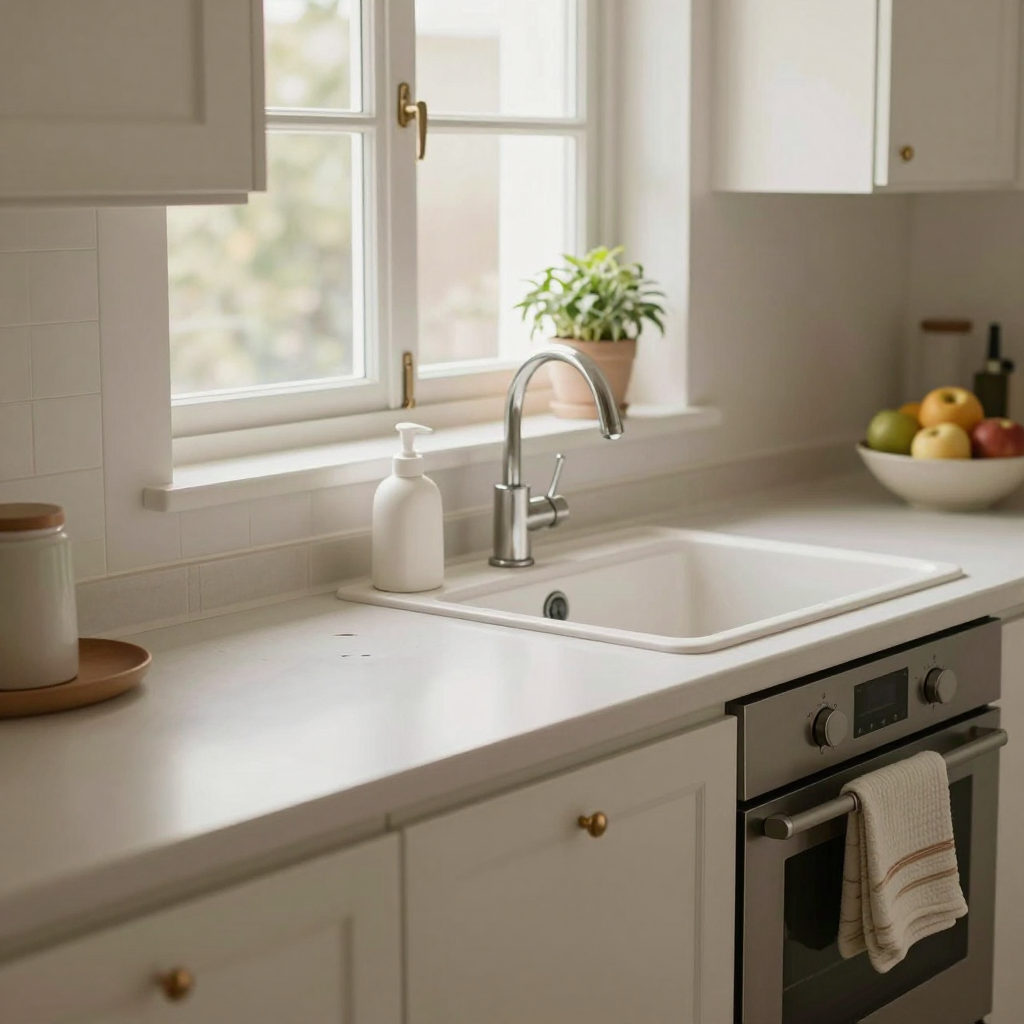
There is a specific kind of stress that comes from a house being just slightly out of control.
Not dirty enough to justify a full cleaning day. Just cluttered enough that cooking starts with clearing the counter, laundry feels behind before the week even begins, and opening the fridge feels more discouraging than helpful.
That kind of chaos has a money effect too.
A messy kitchen makes takeout easier. A cluttered pantry makes duplicate purchases more likely. An uncomfortable living room makes it harder to enjoy being home at all.
The most helpful fix for us was not deep cleaning. It was a short weekly reset.
This is not about making the house perfect. It is about getting it back to a usable baseline in about 30 minutes so the next week feels easier and cheaper to manage.
Why a weekly reset works better than a cleaning marathon
A lot of people think of cleaning as an all-or-nothing project:
- scrub everything
- organize everything
- catch up on everything
That is exactly why it gets skipped.
A reset works because the standard is lower:
- counters usable
- fridge visible
- laundry moving
- living room comfortable
- one or two decisions made for the week ahead
That level of maintenance is much easier to repeat, and repetition is what actually changes daily life.
What the 30-minute reset looks like
The order matters.
Start with the areas that affect the week the most.
| Time | Zone | What to do | Why it matters |
|---|---|---|---|
| Minutes 1–8 | Kitchen counters + sink | Clear surfaces, load or wash dishes, wipe counters | Makes cooking feel possible |
| Minutes 8–13 | Fridge check | Toss spoiled food, move older items forward, note what needs using | Reduces waste and duplicate buying |
| Minutes 13–18 | Living room surfaces | Clear cups, papers, blankets, random clutter | Makes staying home easier |
| Minutes 18–23 | Bathroom | Wipe sink and mirror, empty trash | Keeps one daily-use space functional |
| Minutes 23–28 | Laundry checkpoint | Start a load or fold what is already clean | Prevents last-minute clothing stress |
| Minutes 28–30 | Week prep | Write 2–3 dinner ideas or check pantry basics | Lowers takeout pressure |
This is enough. It does not need to become a longer event.
What worked best in practice
A few things made the routine much easier to keep:
Same time every week
The reset worked best when it happened at a predictable time, usually:
- Sunday evening
- Saturday morning
- another fixed point before the week starts
The exact time matters less than consistency.
Keeping the standard “functional,” not perfect
The goal is not deep cleaning. It is getting the home back to a state where ordinary life works better.
Splitting tasks when possible
If more than one person is involved, the reset gets easier fast:
- one person handles kitchen + fridge
- one person handles living room + bathroom
- someone else handles laundry or week prep
Stopping when the timer ends
The biggest mistake is letting the reset turn into a full cleaning project.
What did not work as well
A few patterns usually broke the routine:
- adding extra projects every week
- trying to organize closets and drawers during the reset
- skipping it because there was not enough time for “everything”
- waiting until the house felt overwhelming
A short reset that happens every week is much more useful than a perfect reset that never happens.
The low-cost cleaning setup that makes this easier
You do not need a different cleaner for every room.
A simple setup is usually enough:
- dish soap
- white vinegar
- baking soda
- microfiber cloths or washable rags
That covers most regular reset tasks:
- counters
- sinks
- mirrors
- bathroom surfaces
- basic spot cleaning
Keeping the cleaning routine simple matters because complicated systems create friction.
How this saves money indirectly
The reset does not save money in a direct, magical way.
It changes the conditions around spending.
A functional home tends to reduce:
- takeout because the kitchen feels usable
- food waste because the fridge is visible
- duplicate grocery purchases because items are easier to find
- last-minute supply runs because laundry and basics are less chaotic
- “escape spending” driven by not wanting to be home
The savings are indirect, but they are real enough to notice over time.
What usually makes the biggest difference
The highest-impact pieces are usually:
1. Kitchen reset
A clear sink and usable counters make cooking much more likely.
2. Fridge check
This catches food before it turns into waste and keeps grocery planning grounded.
3. Week-prep step
Even writing down just 2–3 dinner ideas reduces decision fatigue later.
Those three steps do most of the work.
If the house already feels too far behind
Do not start with the full reset.
Start smaller.
Week 1
Just do:
- kitchen counters
- dishes
- fridge check
Week 2
Add:
- living room reset
Week 3
Add:
- bathroom
- laundry checkpoint
That is usually enough to build the habit without making it feel impossible.
A simple weekly version
If you want the shortest version possible, use this:
- Clear kitchen counters
- Load or wash dishes
- Check the fridge
- Clear living room surfaces
- Start one laundry load
- Write down 2–3 meal ideas
That gets most of the benefit in the least time.
What this helps prevent
A weekly reset is especially useful because it reduces the kinds of spending that happen under pressure:
- delivery because the kitchen feels impossible
- groceries bought twice because nothing is visible
- emergency purchases because the week starts disorganized
- weekend outings driven more by household stress than actual plans
That is why this routine connects naturally with Free Date Nights and No-Spend Weekend Ideas and Frugal Routines to Lower Household Waste.
FAQ
What is the difference between a reset and cleaning?
A reset is lighter and faster. It gets the house back to functional. Deep cleaning is separate.
How often should I do this?
Once a week is enough for most households.
What if I only have 15 minutes?
Do the kitchen, fridge, and one laundry step. Those usually have the biggest effect.
Can this really save money?
Yes, indirectly. It reduces waste, lowers takeout pressure, and makes it easier to use what you already have.
Related Reading
Conclusion
A weekly reset is not about having a perfect home.
It is about making the next week easier:
- easier to cook
- easier to find things
- easier to stay home comfortably
- easier to make cheaper decisions
That is why a small reset matters so much. It keeps the house in a range where everyday life works better — and when everyday life works better, spending usually does too.