The $14 rotisserie chicken, the pre-cut fruit nobody eats, the second jar of pasta sauce because no one checked the pantry — this is how grocery budgets drift.
It’s not one big mistake. It’s a pattern of small ones:
- buying duplicates
- shopping without a plan
- making extra trips
- defaulting to convenience when time runs out
When we looked at real grocery spending patterns, one thing stood out: most savings didn’t come from cheaper food — they came from removing those small leaks.
Across a typical $600–700/month grocery budget, these habits reduced spending by about $150–280/month without changing what people actually eat.
What actually made the biggest difference
Three habits did most of the work:
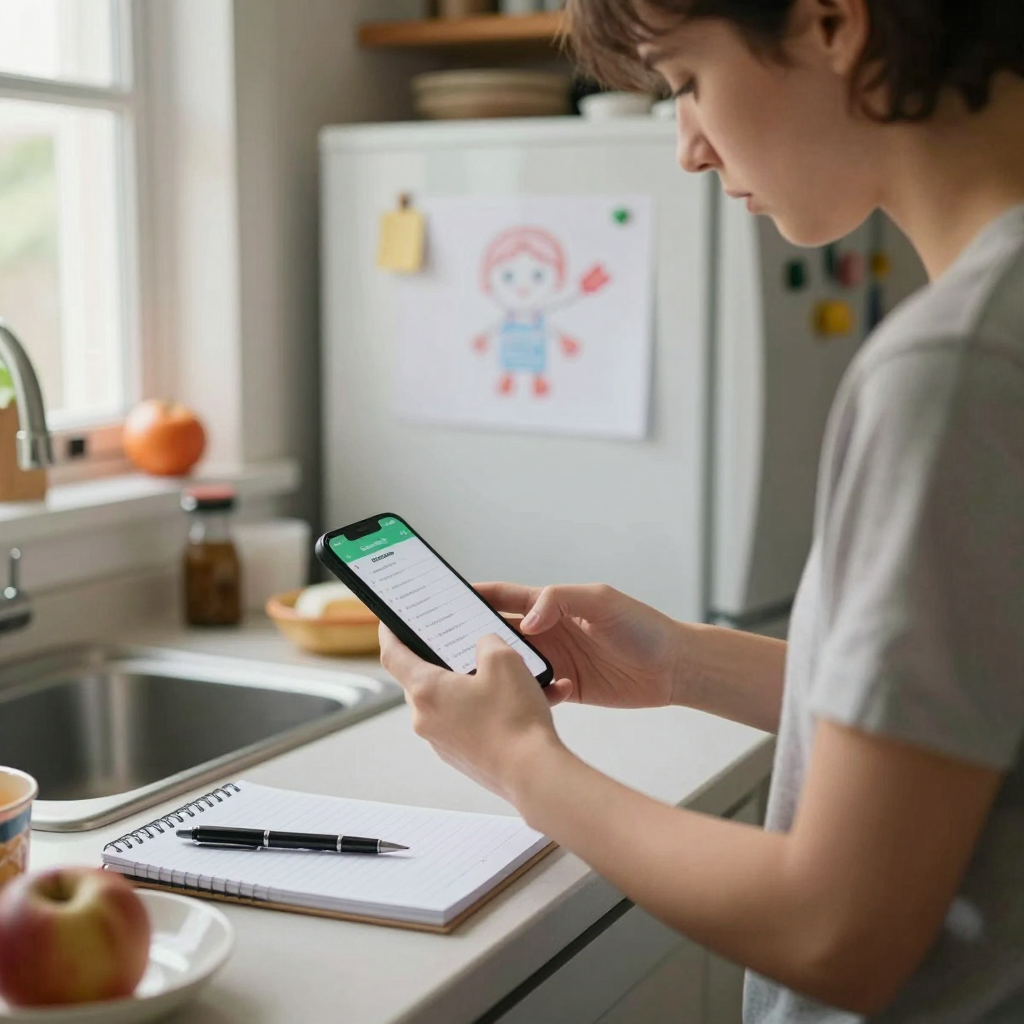
- A running list (always open, not written before shopping)
- Planning only 3 dinners per week
- Using one pickup order per week
Everything else helped — but these three changed behavior the most.
Habit 1: Use a running list (not a “before the trip” list)
Instead of writing a list right before shopping, keep one open all week.
- Used the last eggs → add eggs immediately
- Noticed something running low → add it right away
By the time you shop, the list is already built.
This reduces:
- duplicate purchases
- forgotten items
- “just in case” buying
In practice, this habit alone often cuts grocery spending by ~10–15%.
Shared lists work even better. They eliminate the “I thought you bought that” problem entirely.
Habit 2: Shop the same way every week
Consistency reduces decisions — and fewer decisions mean less impulse spending.
Same:
- store
- day
- route
When you know the layout:
- you move faster
- you skip browsing
- you avoid extra aisles
Here’s how common situations affect spending:
| Shopping condition | Typical extra spending |
|---|---|
| No plan or list | +$30–60 per trip |
| Shopping hungry | +$10–20 |
| Weekend trip (vs weeknight) | +$15–25 |
| Extra store stop | +$10–20 each |
| Pickup instead of in-store | −$15–25 |
These are patterns, not exact numbers — but they show how small decisions stack.
Habit 3: Plan 3 dinners, not 7
Planning fewer meals works better than planning more.
Seven-day plans often break. When they do, spending goes up:
- takeout
- extra store runs
- wasted ingredients
Planning three dinners creates structure without pressure.
Example:
- stir-fry
- pasta
- tacos
The rest of the week fills naturally with:
- leftovers
- simple meals
- pantry cooking
This reduces both:
- waste
- last-minute spending
Habit 4: Do a 10-minute fridge + pantry check
Before shopping, look — don’t organize.
Check:
- what needs to be used soon
- what you already have
- what’s running low
This prevents:
- duplicate purchases
- wasted food
- unnecessary restocking
A simple trick: take a quick photo of your fridge before leaving.
Typical impact: $30–50/month saved just from reduced waste and duplication.
Habit 5: Don’t shop hungry (especially with kids)
This one is simple but consistent.
Hungry shoppers:
- buy more snacks
- make faster decisions
- add “quick fixes”
Even a small snack before shopping can prevent $10–15 in extra spending per trip.
When possible, solo shopping is:
- faster
- more focused
- often $20–30 cheaper
Habit 6: Use pickup orders for your main shop
Pickup works because it removes triggers.
You:
- shop from a list
- see the total as you go
- don’t walk past displays
That removes most impulse buying.
Typical result:
- ~15–20% lower spending per trip
A simple system:
- one full pickup order
- one small in-store trip for fresh items
Habit 7: Set a small “extras” budget
Trying to eliminate all extras usually fails.
A better approach:
- allow a fixed amount (like $5–10)
This:
- keeps flexibility
- reduces overspending
- prevents “all-or-nothing” behavior
It’s not about removing enjoyment — it’s about controlling it.
What this looks like in practice
For a $600–700/month grocery budget:
| Habit | Estimated savings |
|---|---|
| Running list | $40–80 |
| Consistent routine | $20–40 |
| 3-dinner planning | $60–90 |
| Fridge/pantry check | $30–50 |
| Shopping not hungry | $15–30 |
| Pickup orders | $20–40 |
| Controlled extras | $10–20 |
| Combined (realistic) | $150–280/month |
Savings overlap — but the combined effect is real.
What actually worked best
The biggest improvement didn’t come from discipline.
It came from:
- reducing decisions
- removing uncertainty
- limiting exposure to impulse triggers
The families who saved the most weren’t the strictest — they were the most consistent.
Tips to make this easier
- Keep your list open all week
- Shop the same store regularly
- Plan fewer meals, not more
- Check what you already have
- Avoid shopping when tired or hungry
FAQ
What’s the most effective habit?
A running list. It prevents most common mistakes automatically.
Is grocery pickup actually cheaper?
Often yes — because it removes impulse buying.
Why only plan 3 meals?
Because real schedules change. Fewer planned meals means fewer plan failures — and fewer expensive fallbacks.
⚠️ Note on estimates
All numbers are based on typical U.S. grocery patterns and real household behavior. Your savings will vary depending on location, store choice, and current habits.
Related Reading
- Browse more smart shopping articles
- Budget Grocery List for a Tight Week (Simple, Low-Cost Plan That Actually Works)
- The Grocery List Trick That Stopped My Impulse Buying
Conclusion
Lower grocery spending isn’t about finding better deals.
It’s about removing the situations where overspending happens.
A running list, fewer planned meals, and a consistent routine eliminate most of those situations automatically.
The system is simple. The power is in repeating it.